Raise your hand if you like packing…
I’m going to assume that not many people raised their hands. Let’s just be honest — packing sucks! If you’re like me, I usually leave it until the night before the flight leaves. I’m usually spending longer than necessary trying to figure out what to bring, looking at the weather app 10 times in one minute, and then getting distracted on social media. It’s a process.
But after taking my fair share holidays, backpacking trips, or visits to grandma and grandpa’s, I think I’ve got this whole packing thing down. At least, I know what not to pack. Here are six items I always regret packing because it’s just not worth it.
That extra pair of shoes, “just in case”
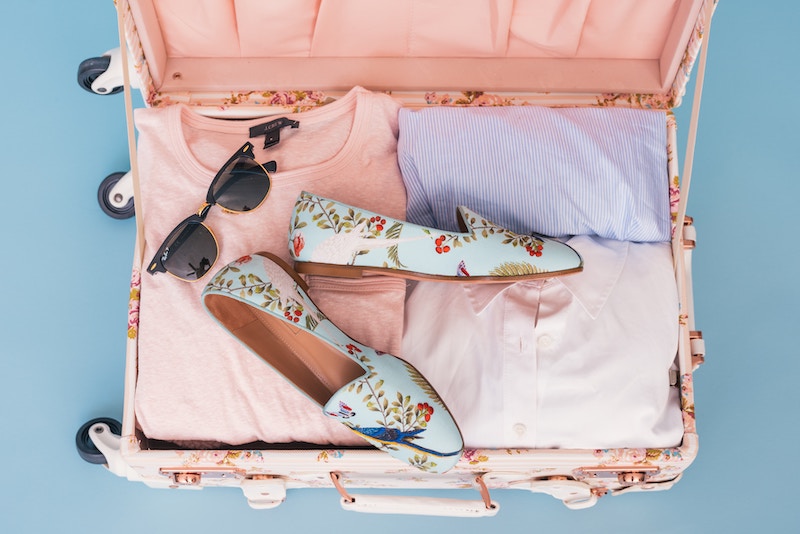
There are plentyyy of “just in case” items that run through my head when I’m packing. Some of them include a belt, a hat, an extra bathing suit, a bulky jumper — you know, the things that you might need. But what I’ve learned from packing these “just in case” items is that I absolutely do not need that extra pair of shoes.
When I travel, I’m happy with taking a pair of sandals/thongs, a pair of walking shoes (my Converse have been around the world and back), and a pair of sneakers (if I think I’ll be exercising or doing a hike). That’s it! I know that’s all I’ll need. In the past, I’ve regretted packing a pair of heels “just in case” I go clubbing or an extra pair of sandals to match a dress I didn’t end up wearing. If you’re joining a group tour, make sure to read through the suggested packing list so that you have the appropriate items.
Hardcover books
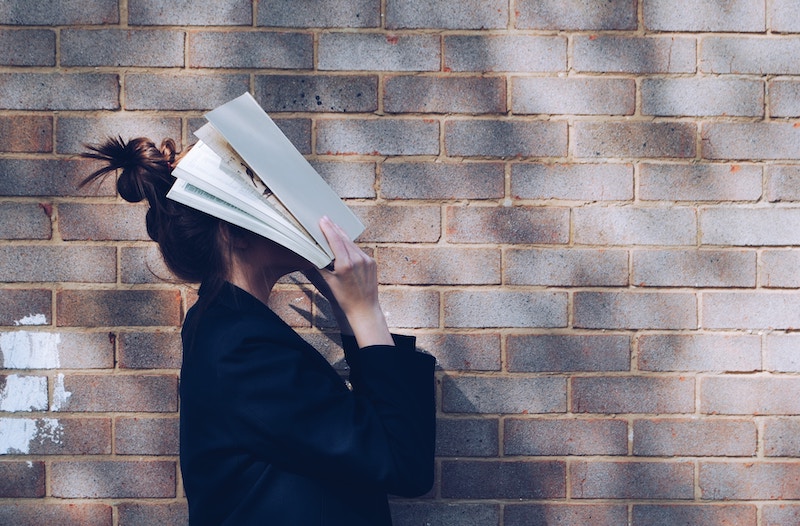
Ahh, this was a tough one for me to come to terms with. Yes, I’m one of those people who loves physically flipping a page when I read. But taking a heavy book on a holiday is not ideal. Most of the time, I don’t even open it.
I recently made the long-overdue switch to reading off a Kindle and I hate to admit that it’s WAY better for a frequent traveller. And TBH, I’ve found that I actually read more with the E-reader than with a physical book! So it’s a win-win for me and my backpack.
Valuable sunglasses
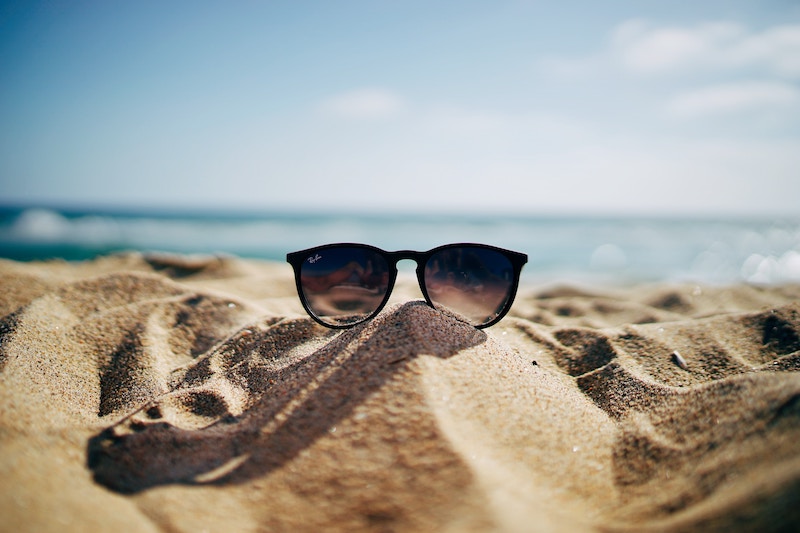
I know there are some peeps out there who love their designer brand sunglasses! I love them too! They’re stylish and trendy, but not usually durable… which makes packing them a nightmare. After losing or crushing three pairs of Ray-Bans on a holiday, I’ve decided that I am no longer allowed to bring valuable sunglasses with me on vacation. Instead, I’ll buy a cheap pair of sunglasses from a vendor or convenience store to use during my travels. That way I’m less worried about them and I can come home to my nice $250 pair of sunnies.
Laptop
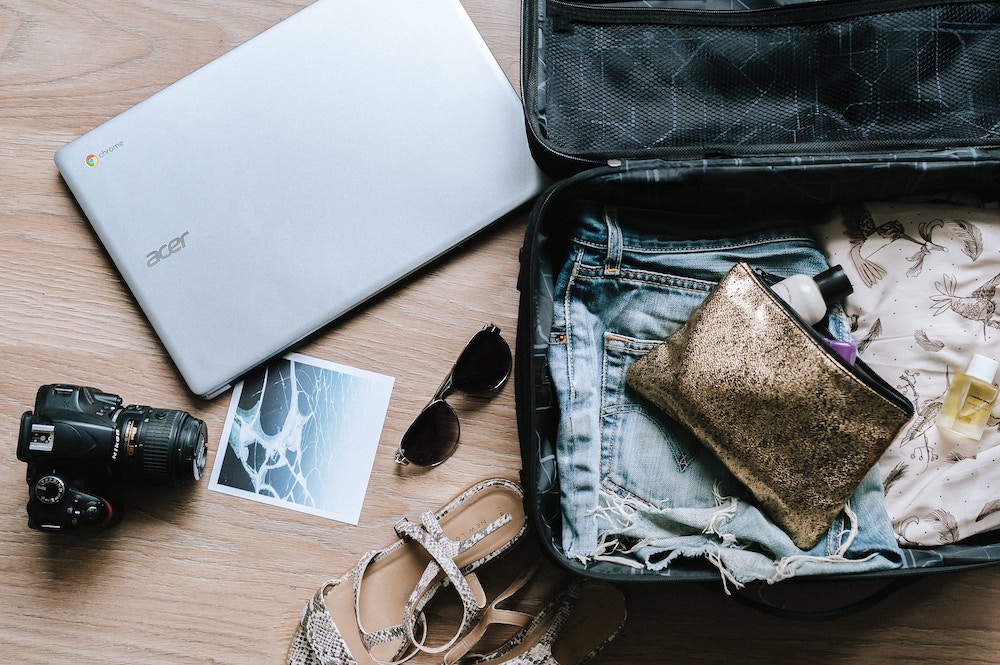
Unless you absolutely know that you’ll need it for work, don’t pack your laptop! It’s not only a burden to carry around with you, but also a valuable item that’s at high risk of being stolen. At the end of the day, it’s not worth it to worry about its safety in your dorm or hotel room while you’re out exploring a foreign destination. Leave it at home for peace of mind.
Anything irreplaceable
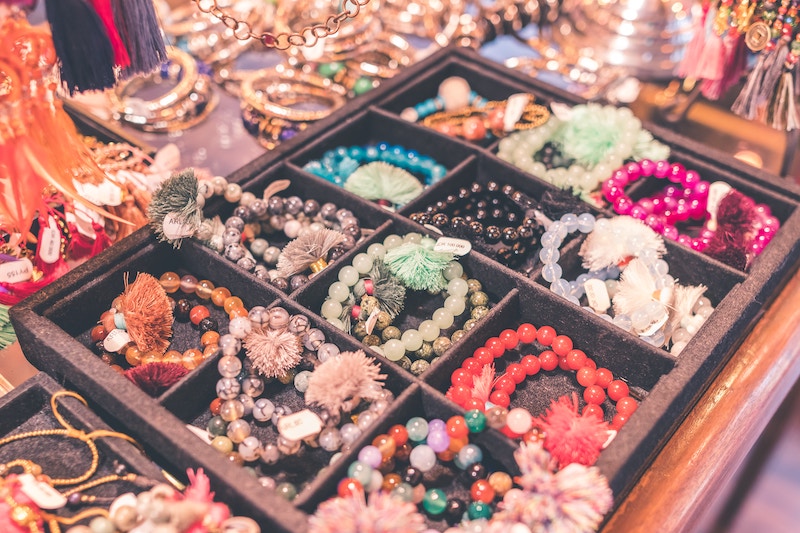
When I pack for a holiday or backpacking trip, I need to remind myself that I’m coming home. I don’t need to take any irreplaceable items — and I’m not talking electronics, but rather nice jewellery/heirlooms, artwork, or custom made treasures. It’s totally unnecessary and not worth the looming worry in the back of your head. When you travel, you just have to assume that anything can happen to you or your belongings. It’s best not to pack any valuable items.
Anything that I can share with my travel buddy

If you’re travelling with a group of friends or a travel partner, link up on sharing certain items such as a hairdryer, shampoo, conditioner, sunscreen, soap, toothpaste, or other toiletries. I’ve found that it’s not necessary to both bring these items when you can simply share and save space in your suitcase. Come on now, no one has cooties. If you’re travelling solo, invest in travel-size containers that you can refill, instead of buying new ones for every trip. When it comes to toiletries and cosmetics, keep the mind-frame that less is more.
Related post: Sildenafil: Your Comprehensive Guide to Adventure and Health